
When Lines Aren’t Enough
Every architect knows the moment: you hand a client a meticulously crafted floor plan, and they nod politely while clearly struggling to imagine the space. To you, those lines represent flow, balance, and proportion. To them, it’s just rectangles and numbers on paper.
That disconnect has haunted the design process for decades. Floor plans are technical. Renders are emotional. Bridging the gap used to mean hours of manual work with 3D software, rendering engines, and endless revisions.
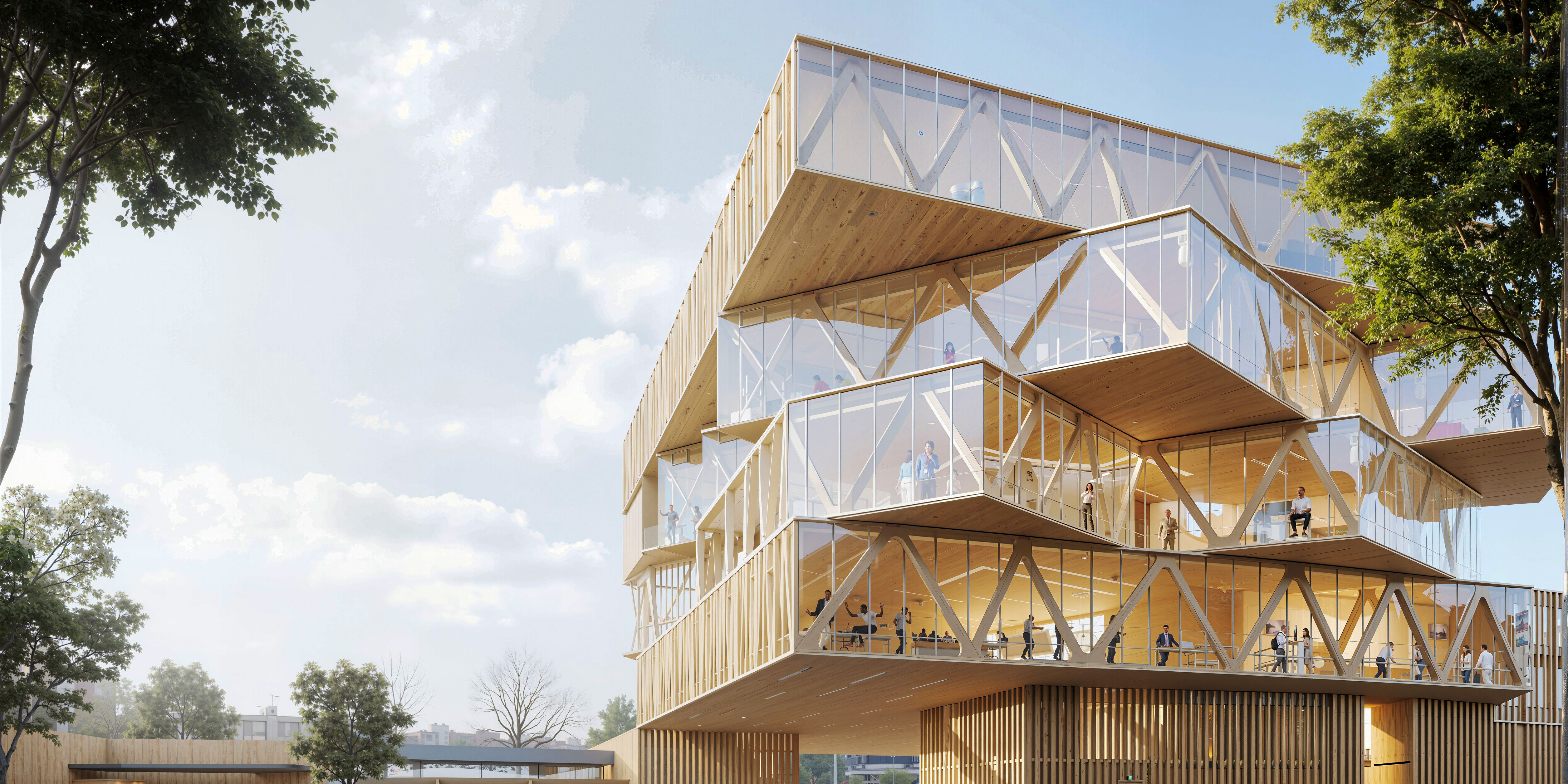
But today, the gap is closing — fast. With AI architecture tools like AIRIlab, the leap from floor plan to stunning, photorealistic render is almost instant. What once took days of effort now takes minutes, freeing designers to focus on creativity rather than technical grind.
The Old Way vs. The New Way
In the past, the process looked like this:
- Export the floor plan to CAD or BIM software.
- Rebuild the model in 3D with walls, windows, and finishes.
- Assign materials, lighting, and furniture.
- Wait hours (sometimes overnight) for rendering engines like V-Ray or Lumion to finish.
It worked, but it was slow, costly, and intimidating for smaller studios or freelancers.
Now, with AI floor plan rendering, the workflow feels radically different:
- Upload a sketch or drawing.
- Let the AI read the plan’s structure.
- Choose a style or mood.
- Generate multiple visual options in minutes.
It’s like going from analog photography to instant digital previews — a complete transformation.
How the AI Workflow Feels Different
Here’s how architects and interior designers experience AIRIlab’s workflow:
Step 1: Upload the Sketch
Anything works — a quick pencil sketch, a scanned drawing, or a detailed CAD plan. AIRIlab interprets it all.
Step 2: AI Understands the Layout
The AI reads proportions, walls, circulation, and zones. It doesn’t just “draw over” the plan — it understands the logic.
Step 3: Pick the Atmosphere
This is where design intent shines. Want the floor plan as a Scandinavian-inspired apartment? A contemporary office? A luxury villa? The AI generates according to your style.
Step 4: Stunning Renders in Minutes
Instead of waiting overnight, AIRIlab generates photorealistic images almost instantly. You don’t just get one render — you get variations.
Step 5: Refine Like a Designer, Not a Technician
- Use inpainting to swap finishes (wood → marble).
- Change the lighting from day to evening.
- Use upscaling tools to move from HD to 8MP resolution for presentation-ready visuals.
And just like that, a floor plan turns into a story clients can see and believe in.
A Story: The Midnight Pitch
Picture this: An architect in Chicago is preparing for a morning pitch. It’s midnight, and the client has only seen the floor plan. Traditionally, this would mean panic — hours in SketchUp or Lumion, hoping the computer doesn’t crash.
With AIRIlab, she uploads the living room floor plan, selects a “modern industrial loft” style, and within 30 minutes, she has three variations ready: one with concrete finishes, one with warm timber, and one with sleek metal.
By sunrise, she walks into the client meeting not with abstract lines, but with photorealistic images that capture the mood, lighting, and style of the space. The client makes a decision on the spot.
This isn’t science fiction — it’s the everyday reality of AI for architects.
Why This Shift Matters
The leap from floor plan to render with AI isn’t just about speed. It changes the entire dynamic of design communication:
- For Architects: More time to focus on creative decisions, less time stuck in rendering workflows.
- For Interior Designers: The ability to bring moodboards to life instantly as styled interiors.
- For Clients: No more guesswork. They don’t have to imagine the design — they can see it.
- For Studios: Faster turnaround means more projects delivered without hiring extra rendering teams.
In short: fewer delays, fewer misunderstandings, and more confident design choices.
Expanding Possibilities for Interior Design
It’s not only architects who benefit. AI interior design generators are reshaping how interiors are presented. Instead of relying on swatches and moodboards, designers can transform a 2D plan into styled visuals — from cozy rustic kitchens to high-end luxury bedrooms.
Clients no longer just imagine how fabrics or palettes might come together. They see it in photoreal detail. And because the AI can generate multiple variations, designers can show “option A vs option B” without extra workload.
For interior studios, this makes presentations more engaging and approvals faster. For freelancers, it levels the playing field against big-budget firms.
Why Clients Love It Too
Clients often feel left out of technical workflows. They can’t read CAD drawings or translate measurements into experiences. But when you hand them a visual render directly from their floor plan, they immediately feel included.
- They can picture their future space clearly.
- They can react emotionally to style, light, and materials.
- They gain confidence that the design is headed in the right direction.
This emotional connection is often what wins projects and builds trust.
Looking Ahead – Sketch to Render in Real Time
The next chapter is even more exciting. Imagine:
- Sketching in a meeting while AI design assistants generate visuals on a big screen in real time.
- Clients toggling between materials (“show me this with wood flooring”) and seeing it update instantly.
- Floor plans evolving into VR-ready walk-throughs without any manual modeling.
The lines between sketching, rendering, and presenting will blur into one continuous, fluid workflow. And AIRIlab is already paving that path.
The Bigger Picture: Democratizing Design
What’s happening with AI rendering is part of a larger story. For decades, high-quality rendering was a luxury — expensive, time-consuming, and only accessible to large studios.
AI tools like AIRIlab are changing that. They’re putting enterprise-level rendering power in the hands of every architect, interior designer, and even students learning the craft.
This democratization means more creativity, more exploration, and more innovation in how we design spaces.
Conclusion – When Lines Become Life
Floor plans are the skeleton of design. But renders breathe life into those lines, turning abstract geometry into experiences people can connect with.
With AIRIlab’s AI architecture software, architects and interior designers no longer have to choose between speed and quality. They can turn sketches into stunning renders in minutes, explore multiple directions, and communicate with clients more effectively than ever before.
For designers, this isn’t just another tool. It’s a new way of working — one where ideas move faster, collaboration feels easier, and design conversations become more visual, human, and inspiring.
Ready to experience it? Try AIRIlab tools or learn more at Solutions.