
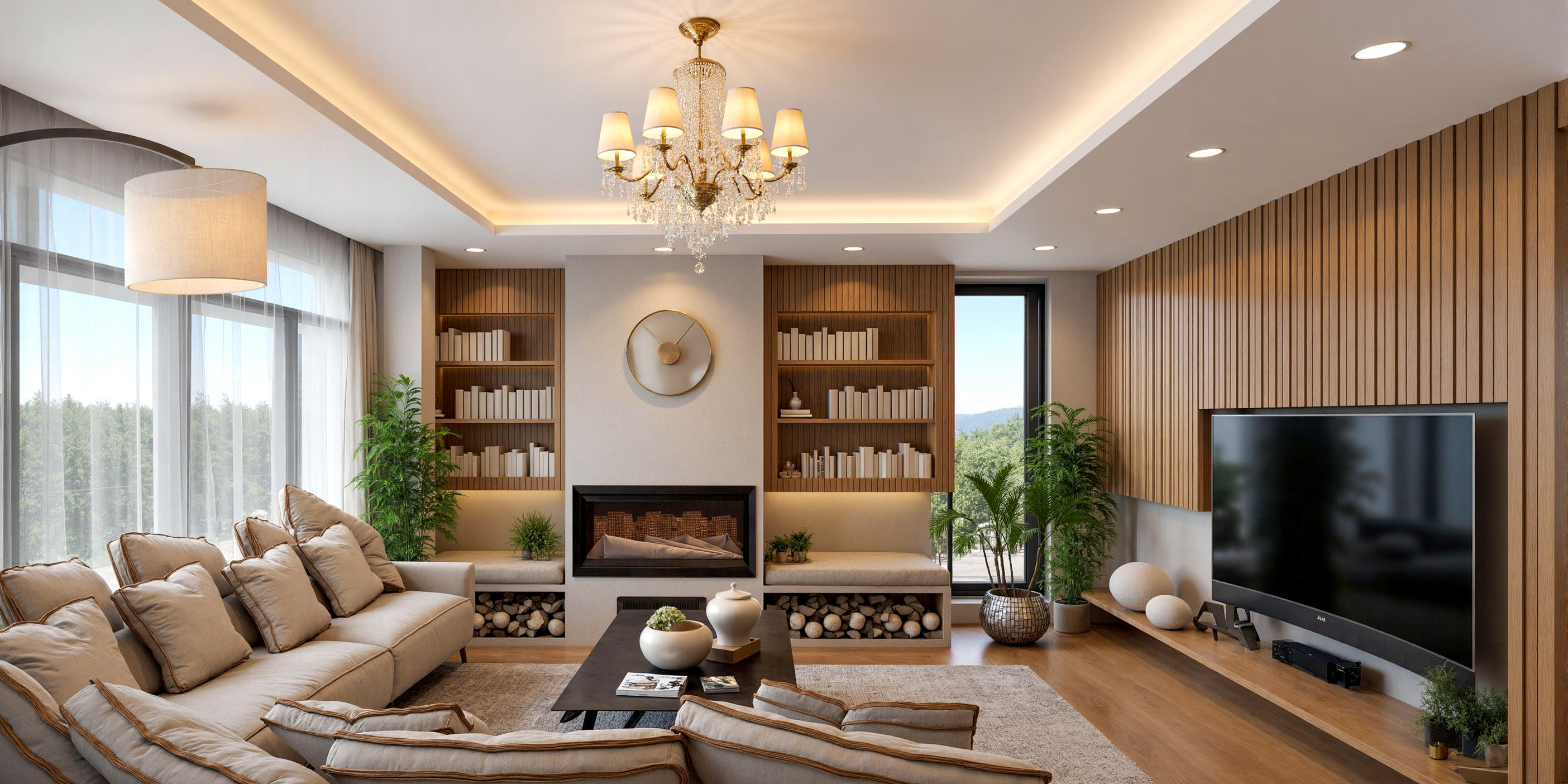
Beyond Moodboards
Every interior designer knows the power of a moodboard. It’s where the magic begins — a collection of textures, swatches, sketches, and Pinterest saves that shape the first spark of a concept. But here’s the problem: moodboards are abstract. Clients often struggle to imagine how marble flooring, soft lighting, and Scandinavian furniture might actually look together in their space. Translating that moodboard into a photorealistic mockup has always taken hours — if not days — of setup, rendering, and refinement.
That’s where AIRIlab is changing the game. With AI-driven design tools built for architects and interior designers, moodboards are no longer just inspiration pieces. They’re becoming instant photorealistic previews — and they’re cutting project turnaround times dramatically.
The Evolution of Interior Design Workflows
Interior design has always been about communication. But in the past, this communication faced challenges:
- Moodboards → Mockups Gap
Moodboards set the vision, but designers still had to build complex 3D models, apply materials, and set up lighting. - Delays in Client Buy-In
Clients had to wait days for first renders, leading to multiple revisions and lost time. - Heavy Software Burden
Tools like CAD, Revit, or 3ds Max required steep learning curves, long rendering times, and expensive setups.
Now, with AI-powered interior design software like AIRIlab, designers are bypassing these bottlenecks. Instead of spending hours on technical prep, they can generate visual, photorealistic options in minutes.
How AIRIlab Bridges the Gap
Unlike traditional software, AIRIlab isn’t just about rendering — it’s about intelligent design assistance. Here’s how it transforms moodboards into mockups:
- Upload Moodboards or References
Designers feed images, swatches, or style inspirations into the system. - AI-Powered Image Generation
AIRIlab extracts key patterns, textures, and styles to generate multiple variations of an interior scene. - Refinement in Real Time
Designers can tweak lighting, swap materials (wood vs marble, fabric vs leather), or change layouts instantly. - Photorealistic Outputs
Within minutes, the AI produces high-resolution visuals that look like real photographs.
This workflow isn’t just faster — it’s more iterative. Designers can explore more options and clients can make better decisions early in the process.
A Practical Example – From Moodboard to Mockup in Hours
Consider this scenario:
A boutique interior studio is designing a modern loft apartment. Traditionally, they would spend:
- 2 days building the 3D model
- 1 day setting up materials and lights
- Another day producing final renders
With AIRIlab, the same team uploads their moodboard (featuring concrete textures, industrial lighting, and neutral tones). Within two hours, they generate 10+ mockups of the space, each with variations in furniture, lighting, and layout. The client selects their preferred design the same afternoon.
The result? Three days of work compressed into half a day.
Why This Matters for Designers
- More Exploration: Designers can present multiple creative directions.
- Stronger Client Communication: Photorealistic mockups eliminate guesswork — clients see the actual vision.
- Fewer Revisions: Decisions happen faster because everything is visualized upfront.
- Cost Efficiency: Smaller studios and freelancers can compete with large firms without expensive rendering teams.
AI in Interior Design vs. Traditional Rendering
| Aspect | Traditional Rendering | AI-Powered with AIRIlab |
|---|---|---|
| Time | 2–5 days for first drafts | Minutes to first mockups |
| Cost | High (software + hardware) | Lower (browser-based, scalable) |
| Variations | Limited, time-intensive | Dozens in real time |
| Collaboration | Files exchanged, slow | Shared libraries, live collaboration |
This comparison highlights why AI tools for architects and designers are becoming the new standard.
Global Impact – Not Just for Big Studios
What makes AIRIlab unique is accessibility. Unlike legacy tools built only for high-end studios, this AI-powered platform empowers:
- Independent designers who need polished visuals to win clients.
- Small firms looking to boost efficiency without hiring rendering teams.
- Large studios who want to streamline workflows across multiple projects.
It’s not about replacing creativity — it’s about amplifying design capacity.
Looking Toward the Future
The future of interior design with AI goes beyond mockups:
- Interactive Client Sessions: Clients could adjust finishes, materials, and layouts during live meetings.
- AI-Generated Walkthroughs: Moodboards might evolve into VR-ready walkthroughs instantly.
- Cross-Discipline Design: Interior designers collaborating with architects, landscape designers, and urban planners on a single AI-driven platform.
AIRIlab isn’t just speeding up workflows — it’s reshaping how designers communicate, explore, and deliver.
Conclusion – The End of Static Moodboards
Moodboards have always been the soul of interior design. But until now, they stayed static — an abstract vision waiting to be built. With AI design tools like AIRIlab, those boards come alive instantly as photorealistic mockups.
For designers, this means more creativity, faster delivery, and happier clients. For clients, it means finally being able to see the design before it exists.
In the future, we may look back and wonder how designers ever worked without it.