
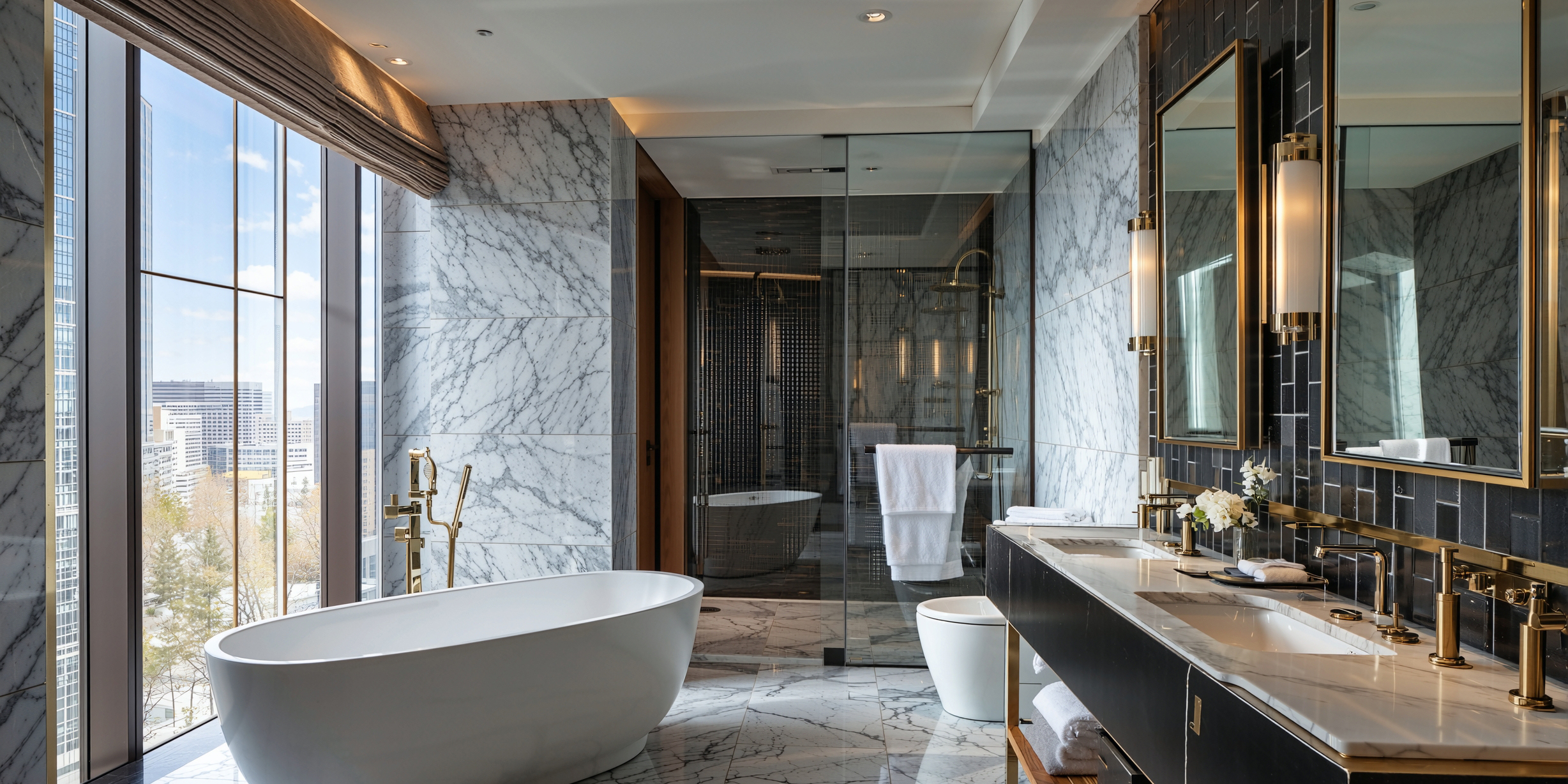
How architects are transforming project storytelling through AI-driven motion.
In contemporary architecture, the presentation is as critical as the proposal. A design may be intelligent and functional, but without clarity of expression, its essence can be lost between drawings, slides, and words.
For decades, still imagery defined how architects communicated ideas — static renders that froze design intent in a single moment.
Today, however, a new medium is reshaping architectural communication: AI-generated cinematic video.
Through platforms like AIRIlab, architects and designers can now move beyond static visuals, creating presentation videos that are fast, accurate, and emotionally engaging. The result is a new visual language — one where architecture doesn’t just appear; it moves.
The Shift From Static to Cinematic
Traditional renderings serve a purpose — they showcase geometry, material, and composition. But real-world architecture exists in motion: people moving, light changing, space evolving through time.
AIRIlab bridges that gap between stillness and experience. Its AI video tools convert static renders into short cinematic clips that capture architecture as it’s meant to be perceived — dynamically.
Instead of outsourcing animation to specialized visualization firms, architects can now craft motion sequences directly within their familiar workflow.
The AI interprets geometry, light, and depth, producing camera movements that feel grounded and realistic. It doesn’t exaggerate form; it clarifies it.
Visual Communication in Motion
Motion adds a new dimension to how clients and stakeholders experience design. Where a still image demands interpretation, a video sequence creates understanding.
With AIRIlab’s AI video suite, designers can:
- Define camera paths that reveal spatial hierarchy or emphasize material texture.
- Transition smoothly between lighting conditions using Atmosphere Swift.
- Refine micro-details mid-sequence through Smart Edit.
This workflow allows design teams to communicate both technical precision and emotional tone — telling stories in motion without additional software layers.
Precision Through Intelligent Editing
Producing video presentations used to involve multiple handoffs between modeling, rendering, and editing applications. AIRIlab simplifies that process by embedding precision directly into its ecosystem.
Smart Edit enables localized refinements to individual frames or video sections — adjusting tone, correcting highlights, or refining depth without disrupting the rest of the sequence.
This micro-control ensures that every second of footage remains consistent, accurate, and aesthetically clear. Corrections that once took a day now take minutes.
Lighting, Atmosphere, and Emotion
Presentation is not just about form; it’s about feeling. Through AIRIlab’s Atmosphere Swift, architects can experiment with lighting conditions instantly — morning light, soft overcast tones, or late-evening glow.
Each condition transforms the emotional character of the sequence while maintaining realistic material behavior and reflections.
This elevates storytelling, allowing atmosphere to be as intentional as architectural form.
Collaborative Creation Across Teams
Cinematic presentation demands coordination. Because AIRIlab is browser-based, collaboration becomes effortless across locations.
- The architect shapes the sequence direction.
- The lighting designer adjusts exposure and tone.
- The project manager refines pacing and narrative clarity.
All updates appear instantly — one unified visual language guiding the entire team.
Consistency and Clarity
Every design firm struggles to maintain visual consistency across stills, videos, and decks. AIRIlab solves this by using the same rendering logic for both static and motion outputs.
HD and 4K video exports maintain identical materials, lighting, and tone — strengthening brand identity and presentation quality.
The Human Edge of AI Video
Despite its sophistication, AIRIlab’s cinematic workflow feels deeply human. It enhances creative expression instead of automating it.
Architects remain the directors — choosing framing, rhythm, and emotion — while the AI handles repetitive rendering tasks and ensures continuity.
Technology takes care of process; designers take care of story.
Presentation as Experience
A cinematic presentation transforms how clients engage with design. Instead of static slides, they experience spatial progression — entering, moving, emerging.
This immediacy builds confidence. Clients don’t just approve what they see; they understand it. It replaces persuasion with participation.
Conclusion: The Future of Design Storytelling
The evolution from render to motion marks a new era in architecture. It’s not about spectacle — it’s about clarity, connection, and emotional resonance.
AIRIlab’s AI video tools allow architects to craft cinematic presentations that are technically precise, visually coherent, and deeply human.
Design is no longer just shown. It’s experienced — frame by frame, moment by moment.
Capture the vision. Craft the sequence. Captivate the audience.